


Copyright© 2026 Global Success - All Rights Reserved.
See Our Latest Blogs
Stay up-to-date with our latest insights, tips, and trends by diving into our newest blogs. Whether you're seeking industry expertise, marketing strategies, or product inspiration, our blog section is your go-to resource for valuable content.
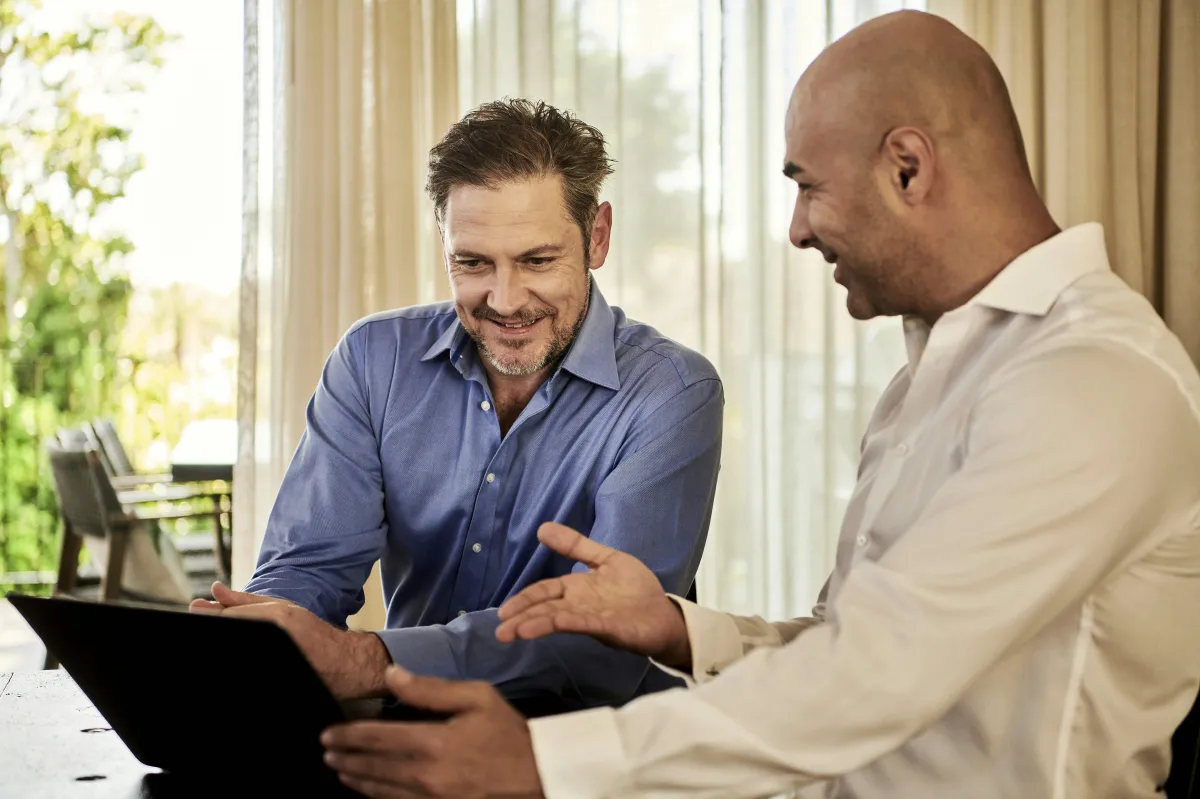
The Trust Myth: Why "Trust Me" Is Killing Your Sales
There's a lot of noise out there about how to get people to like, know, and trust you before they'll ever buy from you. Most of it is wrong, and it's costing you sales.
It's one of the most misunderstood concepts in sales and business: trust.
Two Myths About Trust That Are Costing You Sales
If you're in sales or business, you've probably absorbed two "truths" about trust without ever questioning them. Both are wrong.
Myth #1: Trust takes a long time to build.
Most people assume trust is something you earn slowly, over weeks or months of relationship-building. It's not. Done right, trust can be built in minutes, sometimes in a single conversation. The problem isn't time. It's a technique.
Myth #2: People only buy from those they trust.
Think about it honestly. How many times have you bought something from a total stranger? Someone you'd never met, never spoken to before, knew nothing about? And you bought anyway. Trust, it turns out, isn't always a prerequisite for a purchase. Whether it matters at all depends entirely on what you're selling.

What Trust Actually Is
Here's the reframe that changes everything: trust is often just a shortcut people use to avoid due diligence.
When someone says "I trust you," they're really skipping the hard work of properly checking you out. It's a convenient shorthand, not a deeply considered judgment. Which means if you want someone to trust you quickly, you have to earn the right to that shortcut, not just ask for it.
Name the Elephant in the Room
Here's the counterintuitive move: instead of trying to convince someone to trust you, tell them they shouldn't, not yet.
Say something like: "I haven't earned the right to sell to you. I don't really know you, and you don't really know me. Let's actually get to know each other first so we can make an informed decision about working together. And if anything doesn't feel right along the way, we simply don't move forward."
Most salespeople do the exact opposite. They lean in with "trust me on this" or "trust me, I know what I'm talking about," which, ironically, is often the fastest way to make someone less comfortable, because it's what every prospect has been trained to expect and be wary of.
When you say the opposite of what they're expecting, you create what's called a pattern interrupt. And a pattern interrupt creates focus.
Say that twice, because it matters: when you interrupt someone's pattern, you create focus.
Your prospect braces for a pitch. Instead, you tell them not to trust you yet, that it would actually be reckless of them to make a decision without knowing more about whether you can genuinely help. That shift catches them off guard, and suddenly they're actually listening, rather than filtering you out like every other salesperson they've heard.
Context Is Everything
Not every sale requires trust. Ask yourself: what am I actually selling?
If you're selling a car insurance policy, does the buyer really need to trust you personally to make that purchase? Probably not. It's a relatively low-stakes, transactional decision. Spending energy trying to build deep trust for something like that is often wasted effort.
But if you're selling something more intimate (one-to-one coaching, a health transformation, a significant financial commitment), the equation changes completely. Now the prospect needs to believe you can genuinely take them from where they are to where they want to be.
And here's the key distinction: that's not trust. That's faith.

Trust vs. Faith
Faith is the belief that you, specifically, are capable of delivering the outcome someone wants. You build it by showing:
What qualifies you to help them
Whether you're a product of your own product, have you actually done what you're teaching?
How you've helped others go from where they were to where they wanted to be
When you demonstrate this consistently and credibly, people naturally start to have faith in you. And that faith is what eventually turns into trust, not the other way around.
The Bottom Line
Before your next sales conversation, ask yourself two questions:
Do I actually need to build trust here, or is this an impulse buy where trust is irrelevant?
Do I need to help this person develop faith in my ability to deliver results?
Stop overcomplicating the process. Selling doesn't need to be difficult. People don't buy from everyone they trust, and they don't avoid everyone they don't. What they buy from is pain big enough to act on, paired with genuine faith that you're the right person to solve it.
Get that right, and the rest takes care of itself.
Follow @jessenjames_official for more tips like this.